
Home Preamble Index Areas Dales Hills Lakes Places Reserves Rivers Structures Villages References Me
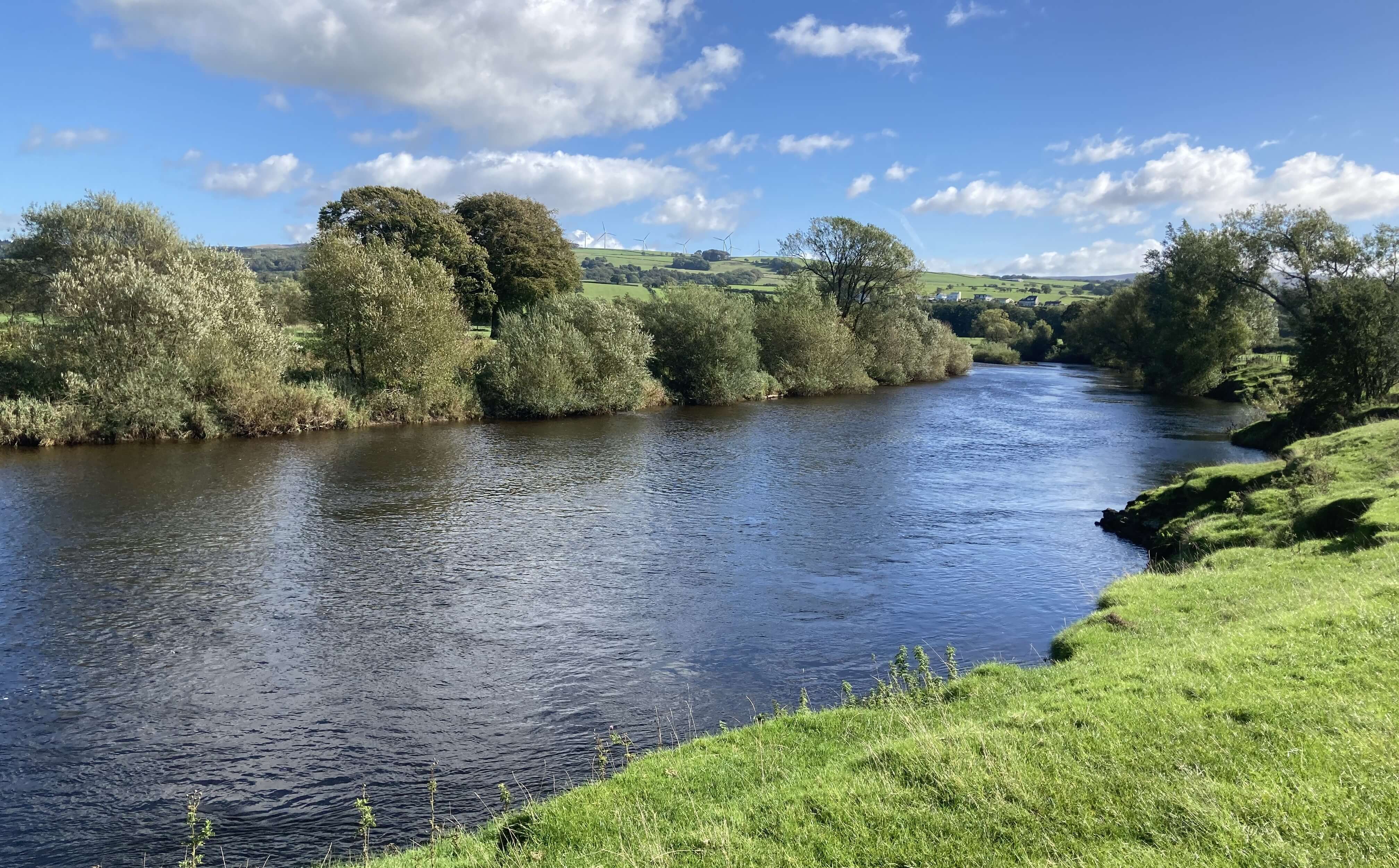 The rain stopped. Within minutes all the dark clouds had gone. And
within a few more minutes I had the walking boots on. Now where? I
tend not to have a specific objective nowadays. I may have several
potential objectives in mind and, depending how the walk goes, I’ll
settle for one of them. That way, there’s no sense of failure.
The rain stopped. Within minutes all the dark clouds had gone. And
within a few more minutes I had the walking boots on. Now where? I
tend not to have a specific objective nowadays. I may have several
potential objectives in mind and, depending how the walk goes, I’ll
settle for one of them. That way, there’s no sense of failure.
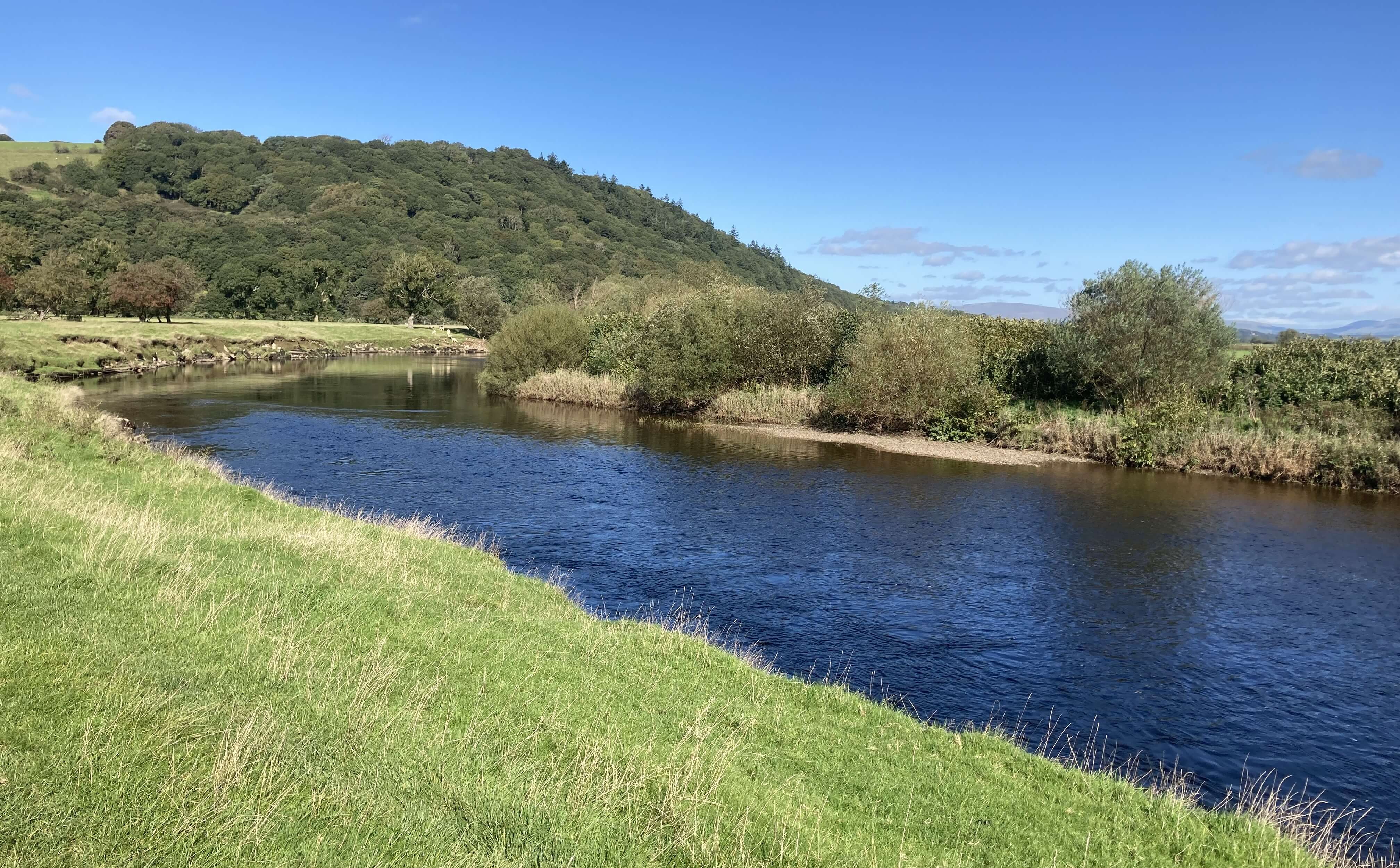 On a familiar local walk my mind wanders.
Miscellaneous thoughts pop up.
I recalled being amused by the comment of ChatGPT (in
[234]) that my walks are “never framed
as grand achievements”. It didn’t seem to occur to ChatGPT that I have
little choice in the matter. It seemed to want to interpret this as
a profound design decision, to advocate a more meandering style of walking,
rather than committed peak-bagging. I'm not advocating anything, just walking
and writing for amusement.
On a familiar local walk my mind wanders.
Miscellaneous thoughts pop up.
I recalled being amused by the comment of ChatGPT (in
[234]) that my walks are “never framed
as grand achievements”. It didn’t seem to occur to ChatGPT that I have
little choice in the matter. It seemed to want to interpret this as
a profound design decision, to advocate a more meandering style of walking,
rather than committed peak-bagging. I'm not advocating anything, just walking
and writing for amusement.
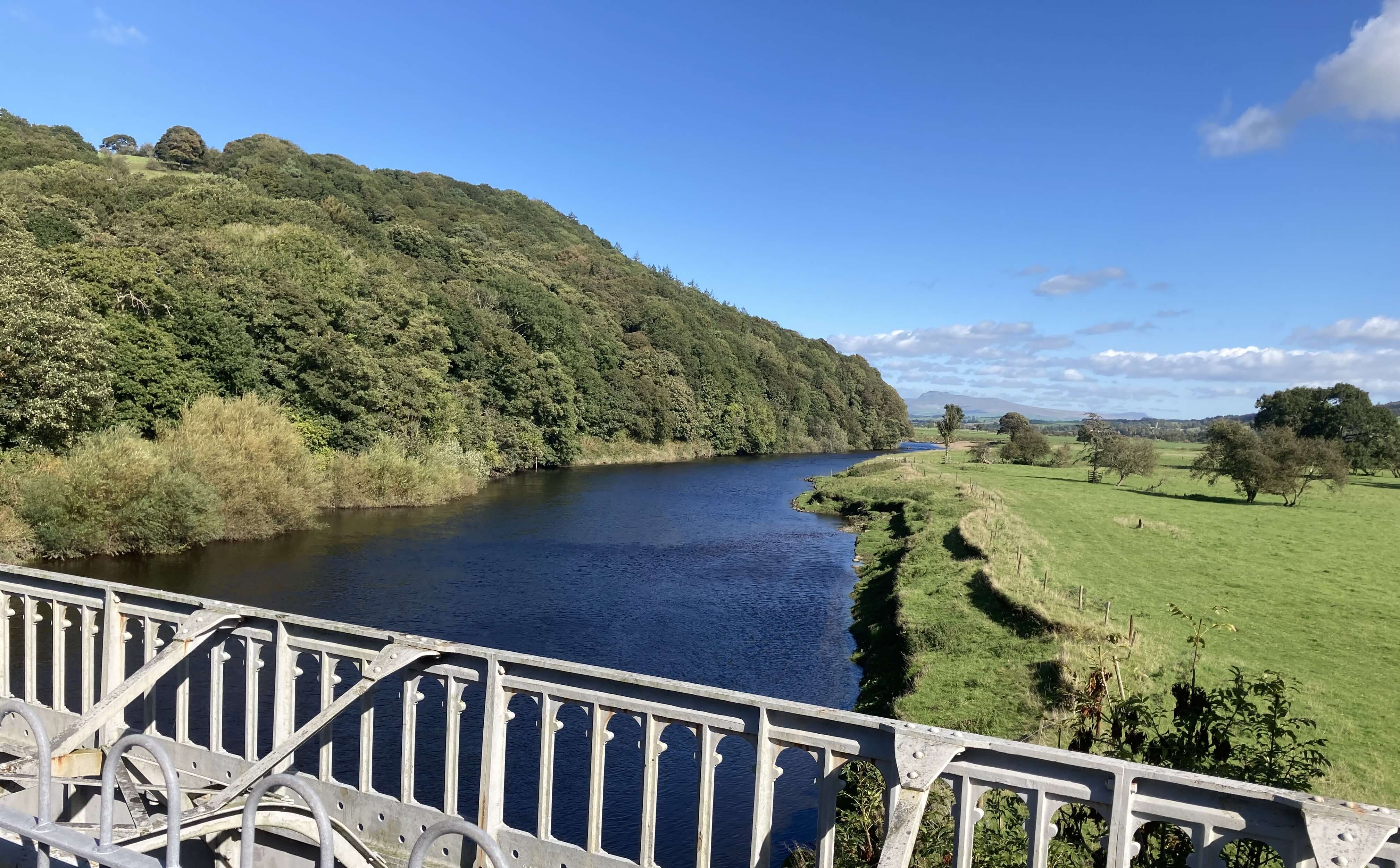 I walked to the river. To my surprise, I passed a couple of walkers
and then a third. I must have been sprightlier than I felt. Then I
noticed that the third, a young man, was dawdling in order to use an
impressive camera. This cheered me for two reasons. It was good to
see this youthful enthusiasm for the environment (more than I had at
his age) and also to see that he considered our local river scenery
worth photographing.
I walked to the river. To my surprise, I passed a couple of walkers
and then a third. I must have been sprightlier than I felt. Then I
noticed that the third, a young man, was dawdling in order to use an
impressive camera. This cheered me for two reasons. It was good to
see this youthful enthusiasm for the environment (more than I had at
his age) and also to see that he considered our local river scenery
worth photographing.
 Why do chatbots come up with such pretentious,
pseudo-philosophical puffery, commenting on Saunterings as if it were
on a par with Homer’s Odyssey? I fool and flatter myself if I
assume that it comes from a deep semantic analysis of the Saunterings
text. What has happened is that, at base, the chatbots have statistically
analysed (actually, ‘analysed’ is stretching it: it just counts) billions
of documents to see how often the word ‘walking’ co-occurs with other
words. Since most people who write about the activity of walking write
pretentious, pseudo-philosophical puffery then chatbots will regurgitate
a version of it back to me, within a general aim to be friendly and positive
(to keep the user engaged).
[It is like me seeing that
many websites say that Sir Edmund Hillary is from the Hillary family of
Burtersett and then repeating it to you as a fact. It isn't - as a member
of that family told me [162]].
Why do chatbots come up with such pretentious,
pseudo-philosophical puffery, commenting on Saunterings as if it were
on a par with Homer’s Odyssey? I fool and flatter myself if I
assume that it comes from a deep semantic analysis of the Saunterings
text. What has happened is that, at base, the chatbots have statistically
analysed (actually, ‘analysed’ is stretching it: it just counts) billions
of documents to see how often the word ‘walking’ co-occurs with other
words. Since most people who write about the activity of walking write
pretentious, pseudo-philosophical puffery then chatbots will regurgitate
a version of it back to me, within a general aim to be friendly and positive
(to keep the user engaged).
[It is like me seeing that
many websites say that Sir Edmund Hillary is from the Hillary family of
Burtersett and then repeating it to you as a fact. It isn't - as a member
of that family told me [162]].
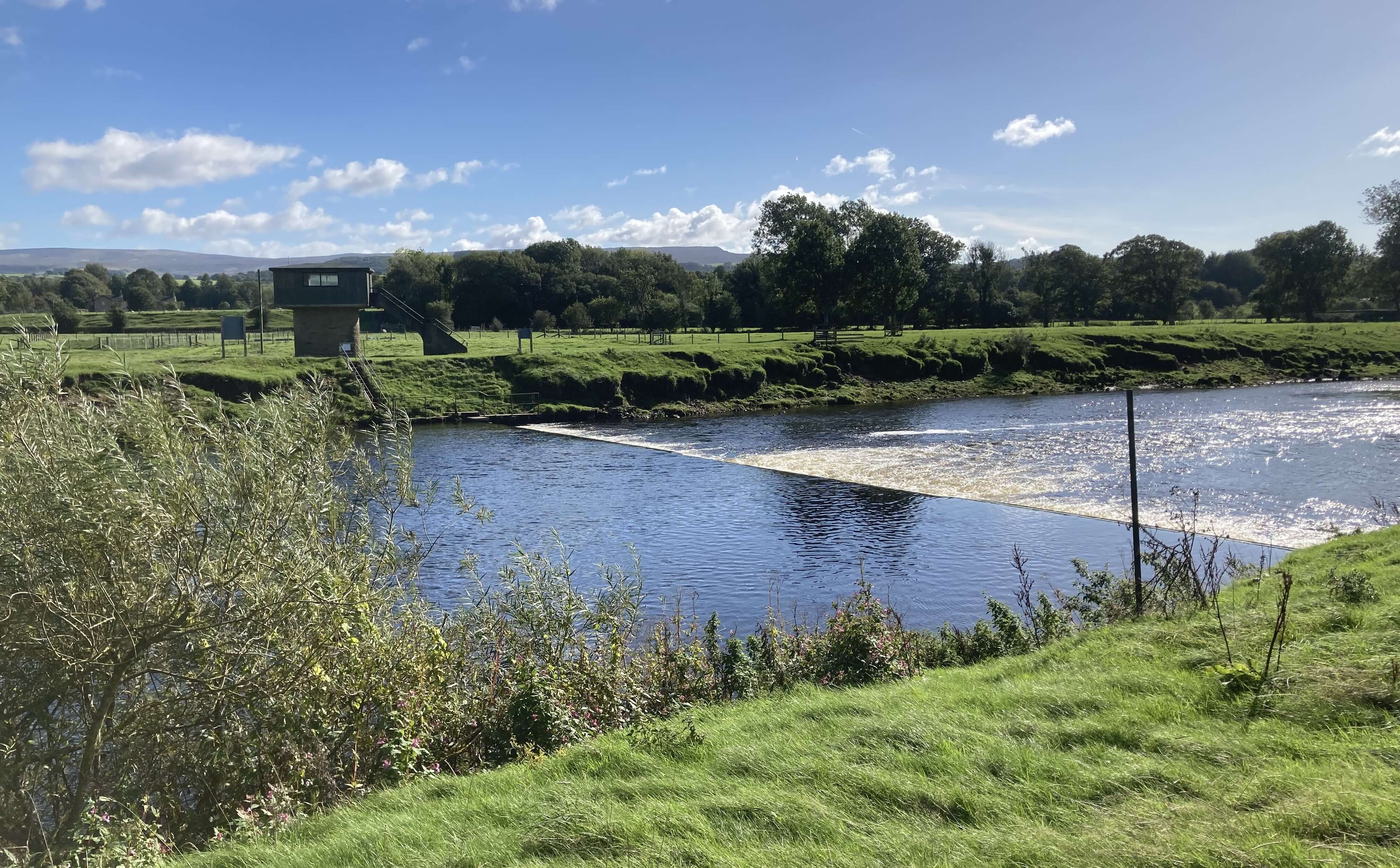 Since the Artle Beck bridge was closed because of damage to its
walkway I crossed Waterworks Bridge to walk on
the north bank. The recently planted trees are coming along: it will
soon feel like walking through a woodland rather than the open
meadows that they used to be. The wood opposite Artle Beck was
surprisingly dark, because the trees still have their leaves.
Today is the autumnal equinox but we haven’t yet had any autumn
winds to test the leaves’ determination to hang on.
Since the Artle Beck bridge was closed because of damage to its
walkway I crossed Waterworks Bridge to walk on
the north bank. The recently planted trees are coming along: it will
soon feel like walking through a woodland rather than the open
meadows that they used to be. The wood opposite Artle Beck was
surprisingly dark, because the trees still have their leaves.
Today is the autumnal equinox but we haven’t yet had any autumn
winds to test the leaves’ determination to hang on.
 That may seem harsh on walker-writers but really how can you
write a 300-page book on walking without indulging in some
philosophising? They are so po-faced about their psychogeographic,
mindful, meditative walking in nature. Walking is
about as simple an activity as there is. You could write a book
on, say, fishing (details of equipment, rods, flies, different fish,
how to catch them, where, and so on) without needing to pad out
a ‘philosophy of fishing’ (although I don’t doubt that someone has
written such a book).
That may seem harsh on walker-writers but really how can you
write a 300-page book on walking without indulging in some
philosophising? They are so po-faced about their psychogeographic,
mindful, meditative walking in nature. Walking is
about as simple an activity as there is. You could write a book
on, say, fishing (details of equipment, rods, flies, different fish,
how to catch them, where, and so on) without needing to pad out
a ‘philosophy of fishing’ (although I don’t doubt that someone has
written such a book).
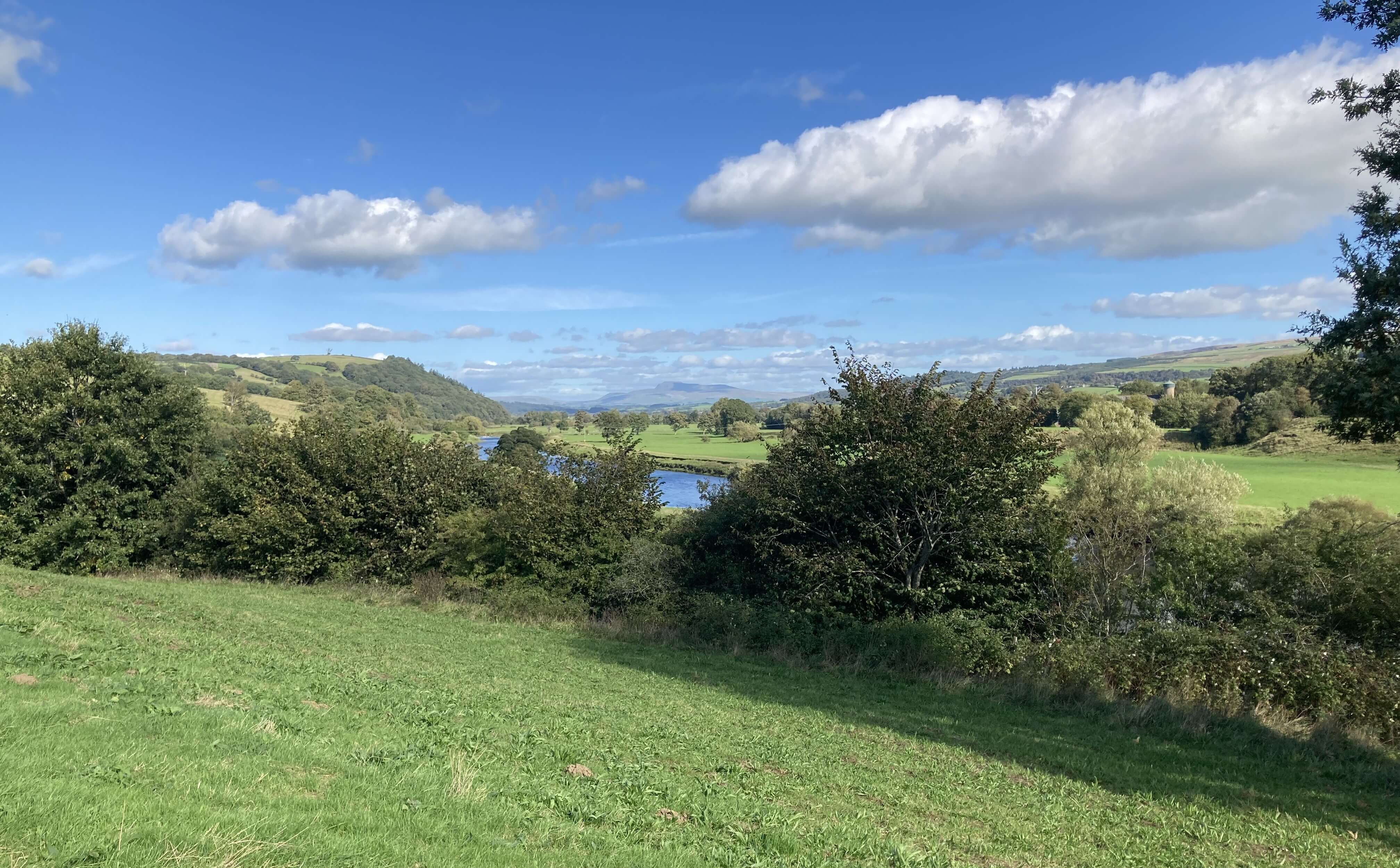 At the Crook o’ Lune I came across a friend not seen for some time
who was working away to try to ensure that the meadow retains its
flower-rich status. I am always humbled by those who volunteer
for arduous work for the community’s benefit. All I do is wander
about and scribble words that I hope are of some interest.
At the Crook o’ Lune I came across a friend not seen for some time
who was working away to try to ensure that the meadow retains its
flower-rich status. I am always humbled by those who volunteer
for arduous work for the community’s benefit. All I do is wander
about and scribble words that I hope are of some interest.
 I have quoted ‘A Philosophy of Walking’ (Gros, 2014) a few times
and this book encapsulates the problem. It is hardly philosophy. I
expect that fellow philosophers consider it over-romantic, lacking
analytic rigour and sadly commercialising their noble profession. The
book is replete with biases that chatbots cannot allow for because
they don't know what a bias is. If you just read Gros then you’d think
that walking was a solitary male activity. Not a single woman is
mentioned – no wuthering Brontës.
And Gros's walkers are all men of literature.
Several composers are known to have taken regular long walks - Beethoven,
Britten, Mahler, Tchaikovsky, for example.
No doubt, men (and women) of other vocations took long walks too.
And, apart from the discussion of Gandhi, the book focusses on
western walkers, despite the fact that some Asian cultures have walking
traditions, mainly religion-based, dating back millennia.
I have quoted ‘A Philosophy of Walking’ (Gros, 2014) a few times
and this book encapsulates the problem. It is hardly philosophy. I
expect that fellow philosophers consider it over-romantic, lacking
analytic rigour and sadly commercialising their noble profession. The
book is replete with biases that chatbots cannot allow for because
they don't know what a bias is. If you just read Gros then you’d think
that walking was a solitary male activity. Not a single woman is
mentioned – no wuthering Brontës.
And Gros's walkers are all men of literature.
Several composers are known to have taken regular long walks - Beethoven,
Britten, Mahler, Tchaikovsky, for example.
No doubt, men (and women) of other vocations took long walks too.
And, apart from the discussion of Gandhi, the book focusses on
western walkers, despite the fact that some Asian cultures have walking
traditions, mainly religion-based, dating back millennia.
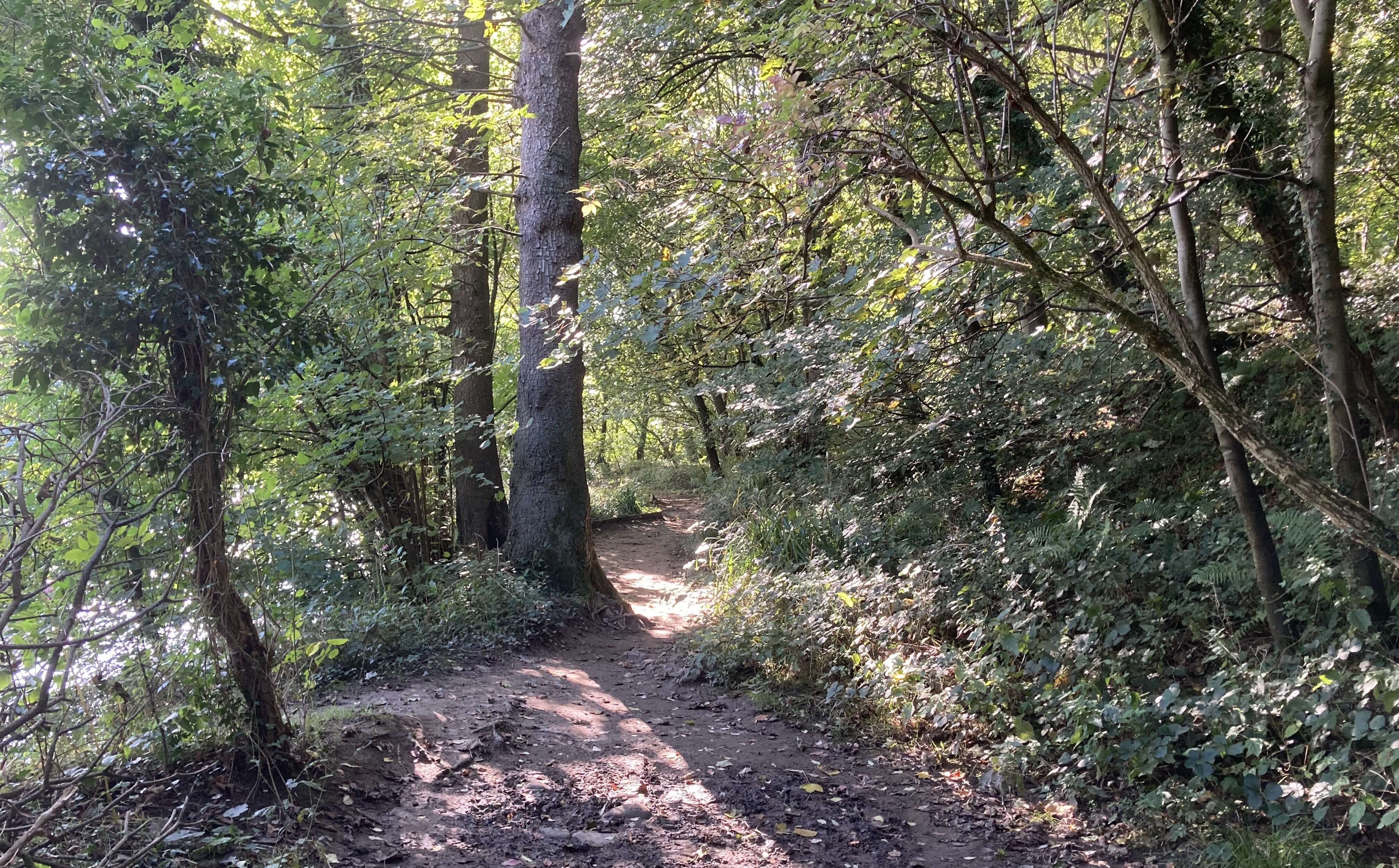
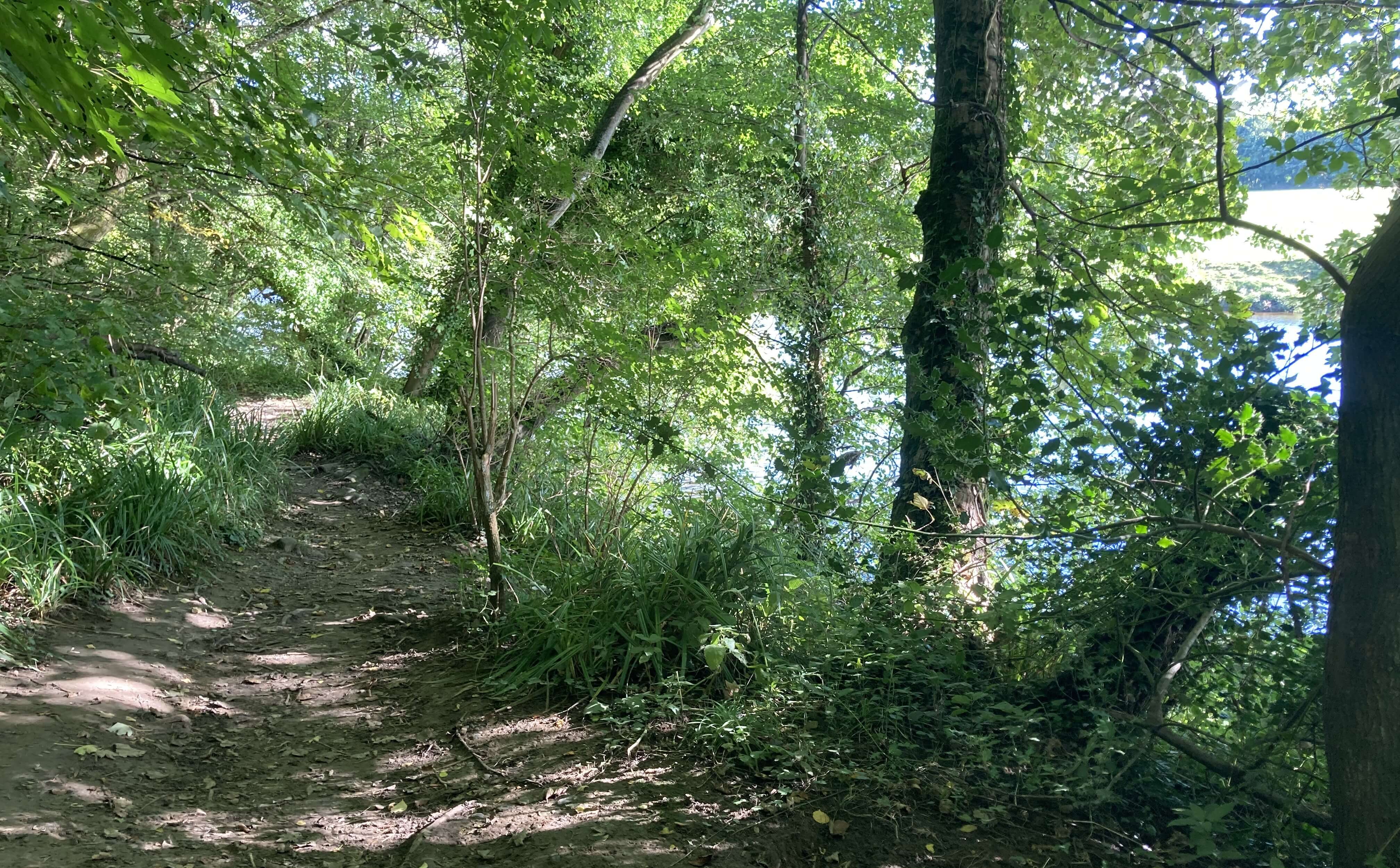
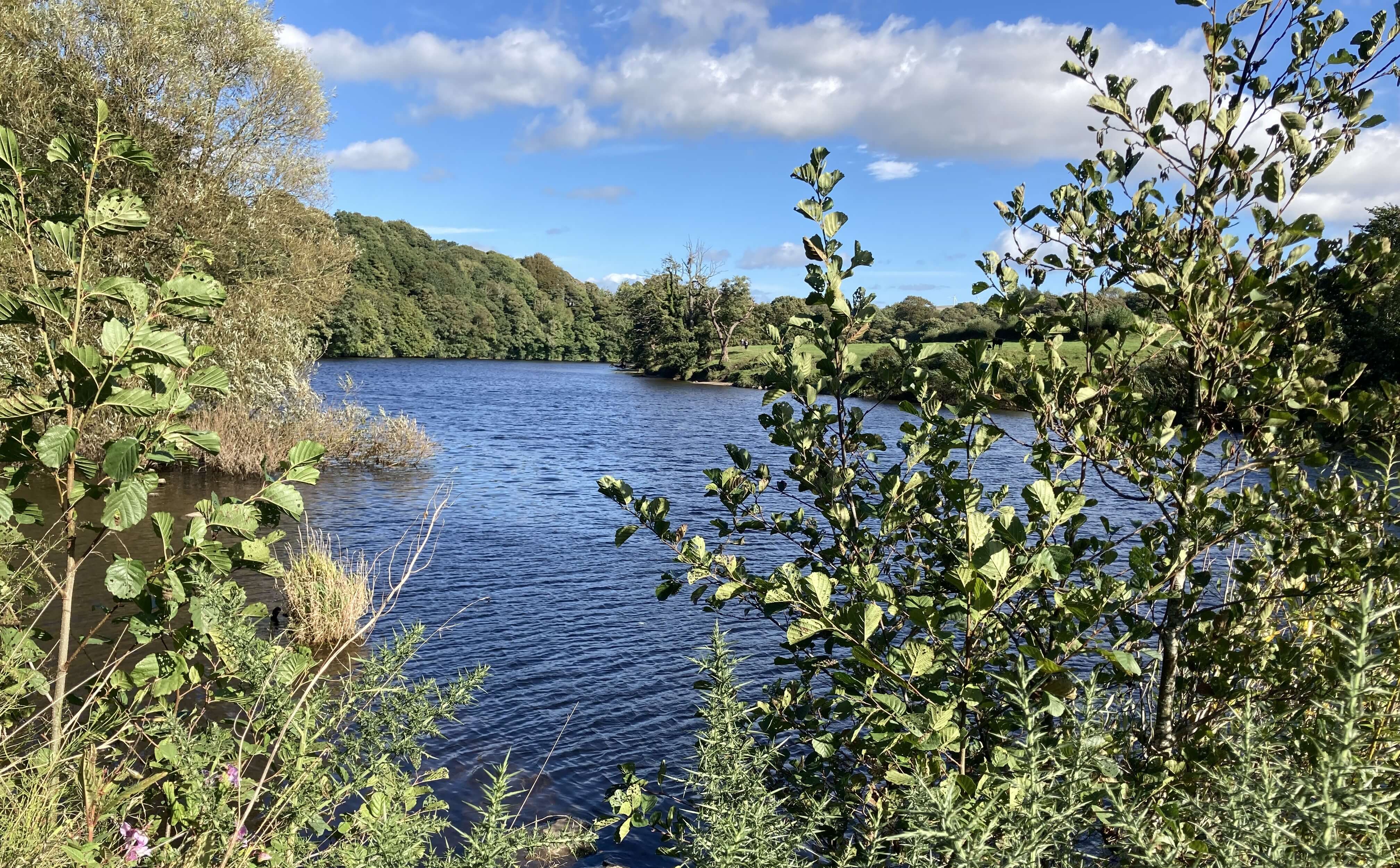 I crossed the road to drop down through the wood to the river, with
the sun dappling prettily through the trees. I passed a few women
walking their dogs, one of whom (the women, that is) informed me
that she had just slipped onto her bum. Charmingly expressed, I
thought, for a stranger. Forewarned, I treaded carefully.
I crossed the road to drop down through the wood to the river, with
the sun dappling prettily through the trees. I passed a few women
walking their dogs, one of whom (the women, that is) informed me
that she had just slipped onto her bum. Charmingly expressed, I
thought, for a stranger. Forewarned, I treaded carefully.
 There are many styles of walking – pilgrimage, charity walk,
long-distance challenge, literary trail, and so on – and it is
ambitious, if not foolhardy, to try to develop a philosophy that
covers all of them. I wondered how the concept of ‘walkabout’
(which I’ve not seen mentioned in any treatise on walking) fits
in. There are two versions of walkabout. One is when reporters say
“after the church service, Prince William went walkabout”,
meaning that he left his ordained route, briefly, to glad-hand
hoi polloi.
There are many styles of walking – pilgrimage, charity walk,
long-distance challenge, literary trail, and so on – and it is
ambitious, if not foolhardy, to try to develop a philosophy that
covers all of them. I wondered how the concept of ‘walkabout’
(which I’ve not seen mentioned in any treatise on walking) fits
in. There are two versions of walkabout. One is when reporters say
“after the church service, Prince William went walkabout”,
meaning that he left his ordained route, briefly, to glad-hand
hoi polloi.
 I noticed a car with a sticker for the Lonsdale Fell Runners,
which didn’t exist in my fell-running days. If it had then I
doubt that I would have joined it. The thought of group fell-running
would have been even less appealing to me than group fell-walking – too
much struggling to keep up with the supremely fit or hanging around
waiting for the less so. I value the freedom to run (then) and walk (now)
where, when and how I wish.
I noticed a car with a sticker for the Lonsdale Fell Runners,
which didn’t exist in my fell-running days. If it had then I
doubt that I would have joined it. The thought of group fell-running
would have been even less appealing to me than group fell-walking – too
much struggling to keep up with the supremely fit or hanging around
waiting for the less so. I value the freedom to run (then) and walk (now)
where, when and how I wish.
 The other ‘walkabout’ is an Australian version, and is the
opposite to a British walkabout.
Indigenous Australians are said to ‘go walkabout’ if they
disappear, say, from a place of employment, to wander alone in
the outback for a few days or weeks as their forebears did. A walkabout
is (or was) also part of the initiation ceremony for
an indigenous youth. He was required to go off into the bush for
weeks, living off the land, to show that he had learned what his
elders had taught him. It was actually the last part of the ceremony – and
after the earlier parts, which I will spare you the details of – he was
probably relieved to escape to live on witchetty grubs and goanna.
Of course, ‘walkabout’ is not the indigenous word for the activity
and I expect native Australians find the term offensive for what is
for them a deeply spiritual activity.
The other ‘walkabout’ is an Australian version, and is the
opposite to a British walkabout.
Indigenous Australians are said to ‘go walkabout’ if they
disappear, say, from a place of employment, to wander alone in
the outback for a few days or weeks as their forebears did. A walkabout
is (or was) also part of the initiation ceremony for
an indigenous youth. He was required to go off into the bush for
weeks, living off the land, to show that he had learned what his
elders had taught him. It was actually the last part of the ceremony – and
after the earlier parts, which I will spare you the details of – he was
probably relieved to escape to live on witchetty grubs and goanna.
Of course, ‘walkabout’ is not the indigenous word for the activity
and I expect native Australians find the term offensive for what is
for them a deeply spiritual activity.
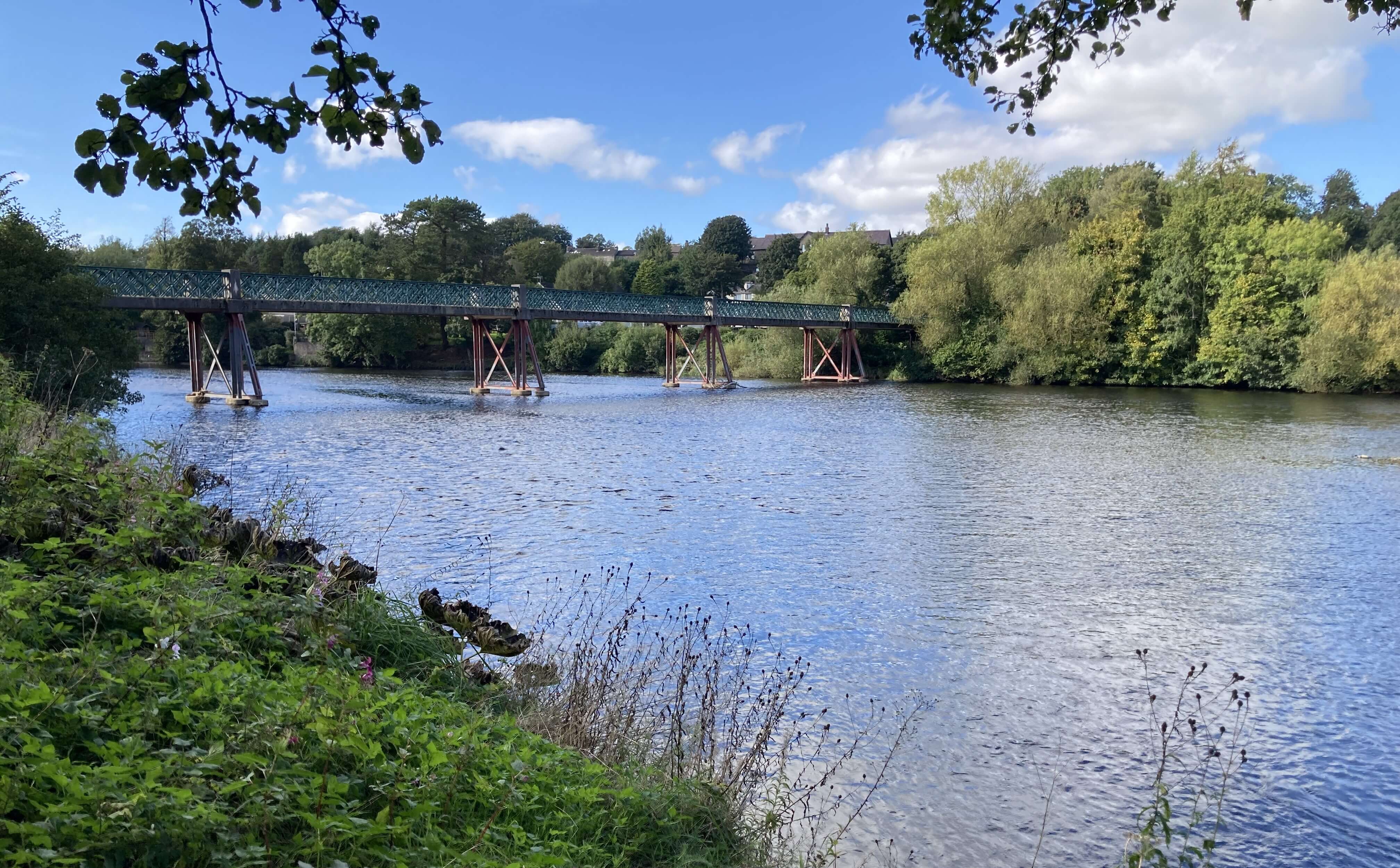
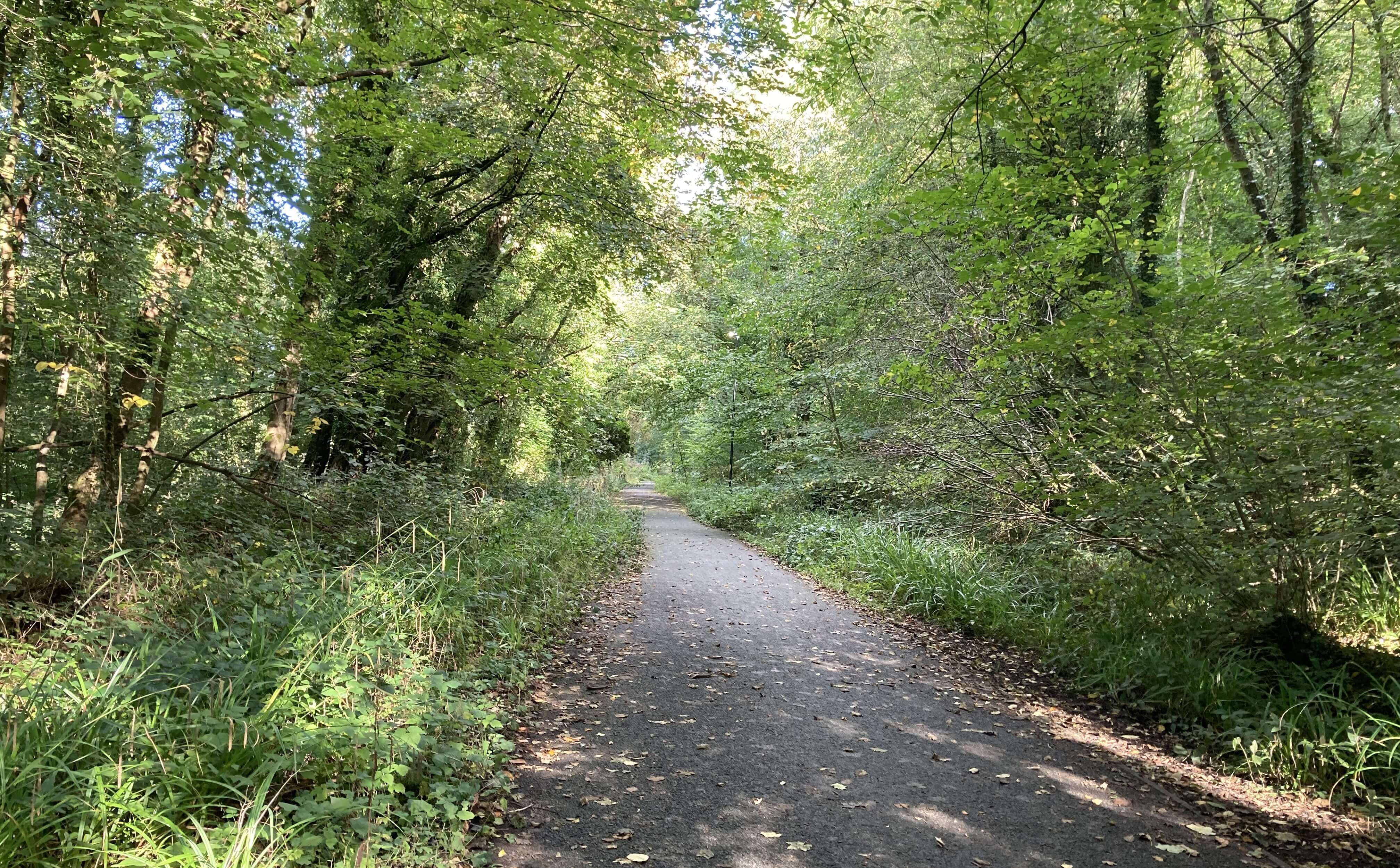 Over the Halton Bridge at Denny Beck, I walked back, partly along
a riverside path for a change from the old railway line, now called
the Greenway (rather than the Lune Millennium Park). I was passed
on the Greenway by a walker going like the clappers, which, whatever
they are, go pretty fast. If he wasn’t training for the Olympics then
he should have been. Why do Olympics walkers have to walk 20 kilometres
for their medals? Why can’t they have a 100 metre walk
sprint? I suppose VAR would spoil it by disqualifying all the
competitors for not walking properly.
Over the Halton Bridge at Denny Beck, I walked back, partly along
a riverside path for a change from the old railway line, now called
the Greenway (rather than the Lune Millennium Park). I was passed
on the Greenway by a walker going like the clappers, which, whatever
they are, go pretty fast. If he wasn’t training for the Olympics then
he should have been. Why do Olympics walkers have to walk 20 kilometres
for their medals? Why can’t they have a 100 metre walk
sprint? I suppose VAR would spoil it by disqualifying all the
competitors for not walking properly.
 Neither walkabout is covered by any 'philosophy of walking' that
I've seen. I won’t
be indulging in either. Although, come to think of it, my walking
sometimes has the spirit of an outback walkabout, a temporary escape
from the stressful. Certainly, when I was working, outings to go
runabout on the hills felt like the only time that I could do whatever
I wanted. Almost every other activity in life involves cooperation with
others – and is, no doubt, the better for it. But on the hills any
mistakes are all my own. Of course, it is not a real runabout. I
wouldn’t survive long in our outback. I’d soon be back in.
Neither walkabout is covered by any 'philosophy of walking' that
I've seen. I won’t
be indulging in either. Although, come to think of it, my walking
sometimes has the spirit of an outback walkabout, a temporary escape
from the stressful. Certainly, when I was working, outings to go
runabout on the hills felt like the only time that I could do whatever
I wanted. Almost every other activity in life involves cooperation with
others – and is, no doubt, the better for it. But on the hills any
mistakes are all my own. Of course, it is not a real runabout. I
wouldn’t survive long in our outback. I’d soon be back in.
Home Preamble Index Areas Dales Hills Lakes Places Reserves Rivers Structures Villages References Me
© John Self, 2018-
Contact: johnselfdrakkar@gmail.com

Top photo: Rainbow over Kisdon in Swaledale; Bottom photo: Ullswater